
Made in USATrending
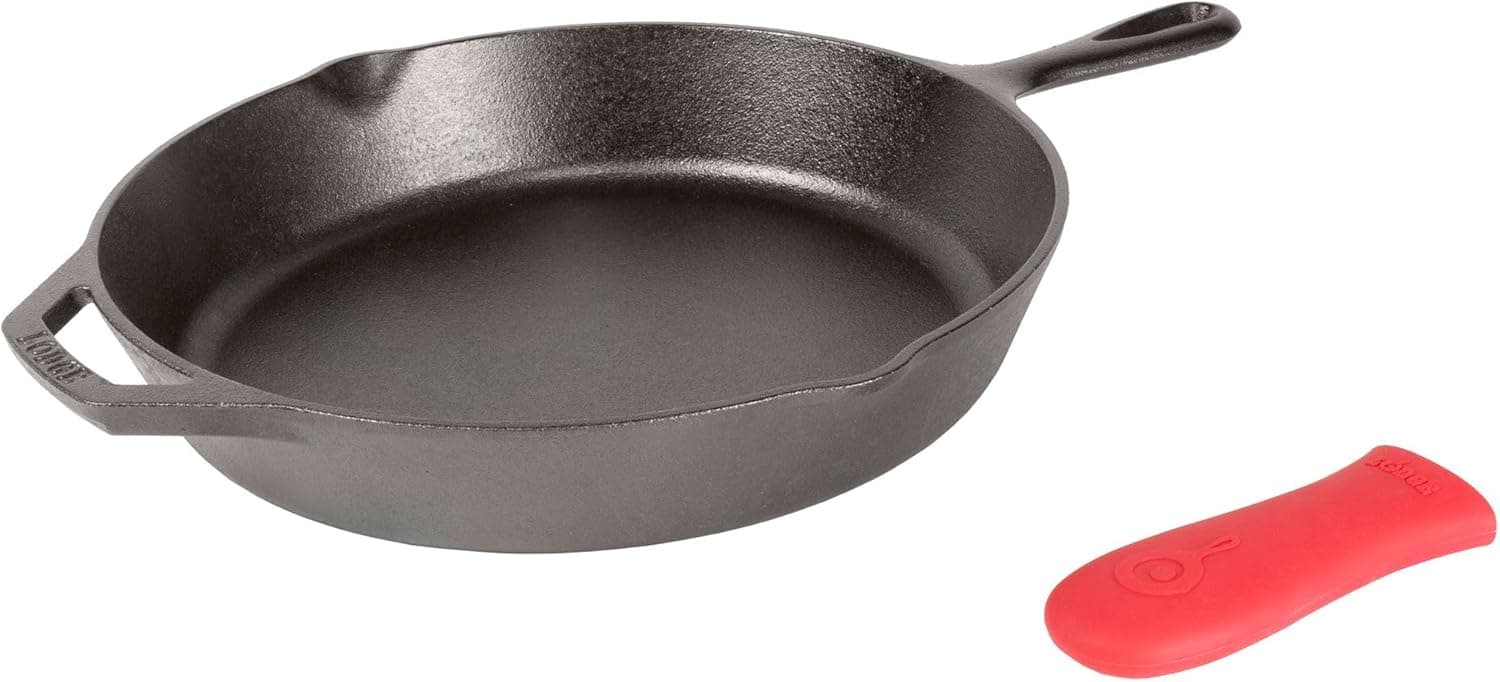
Lodge 12-Inch Cast Iron Skillet
Made in Tennessee since 1896. The skillet that outlives everything else in the kitchen.
$34.90Check It Out
May 1, 2026 · 7 min read
Cast iron has been around for centuries because it works. It heats evenly, holds temperature better than almost any other cookware, goes from stovetop to oven to campfire, and gets better the longer you use it. Here's everything you need to know to buy one, season it right, and keep it for forty years.
For new cast iron, Lodge is the standard. Made in South Pittsburg, Tennessee since 1896, and the Lodge 12-inch skillet at $35 is the most recommended piece of cast iron at any price point. The surface is slightly rougher than vintage cast iron but it gets smoother as seasoning builds with use. Budget $35 for a 12-inch skillet — it's a one-time purchase. Premium brands that charge $150–$300 produce a smoother surface out of the box but there's no functional difference after the first year of cooking.
Seasoning is the polymerized oil layer that builds up on the cooking surface and creates the non-stick properties cast iron is known for. To season: wash once with mild soap to remove factory coating. Dry completely in a 200°F oven for 10 minutes. Apply a very thin layer of flaxseed oil, vegetable oil, or Crisco to the entire surface. Thin matters: too much and the seasoning gets sticky. Bake at 450–500°F for one hour, upside down on the oven rack. Let it cool in the oven. Repeat three to four times before first use. After that, cooking with fat re-seasons it every time.
Best uses: searing meat (holds heat on contact better than stainless or non-stick), frying, corn bread, skillet cookies, stove-to-oven cooking, and campfire cooking. Poor uses: acidic foods — tomatoes, wine, lemon — during long cooks. The acid reacts with the iron and strips seasoning over time, leaving a metallic taste. Short acid exposure is usually fine (a quick deglaze). Long braises with wine or tomatoes belong in stainless or enameled cast iron.
Contrary to old advice: a little soap is fine for cast iron. What you don't want is prolonged soaking in water, which causes rust. Scrub with a stiff brush or chainmail scrubber, rinse, and dry immediately — towel dry or put it on a low burner for two minutes. Apply a very thin film of oil with a paper towel and wipe off the excess. Ten seconds after each wash. If it develops rust, scrub it off with steel wool, re-season from scratch, and it'll be fine.
A cast iron cleaning kit — chainmail scrubber, stiff brush, plastic scraper, and food-grade seasoning oil — is the right companion to any cast iron skillet. The chainmail scrubber removes stuck food without stripping seasoning. A cast iron bacon press is a legitimately useful addition: it flattens bacon so every part contacts the pan, produces crispier bacon faster, and doubles as a press for smash burgers. Small addition, genuinely used every time you cook pork or burgers.
Made in Tennessee since 1896. The skillet that outlives everything else in the kitchen.
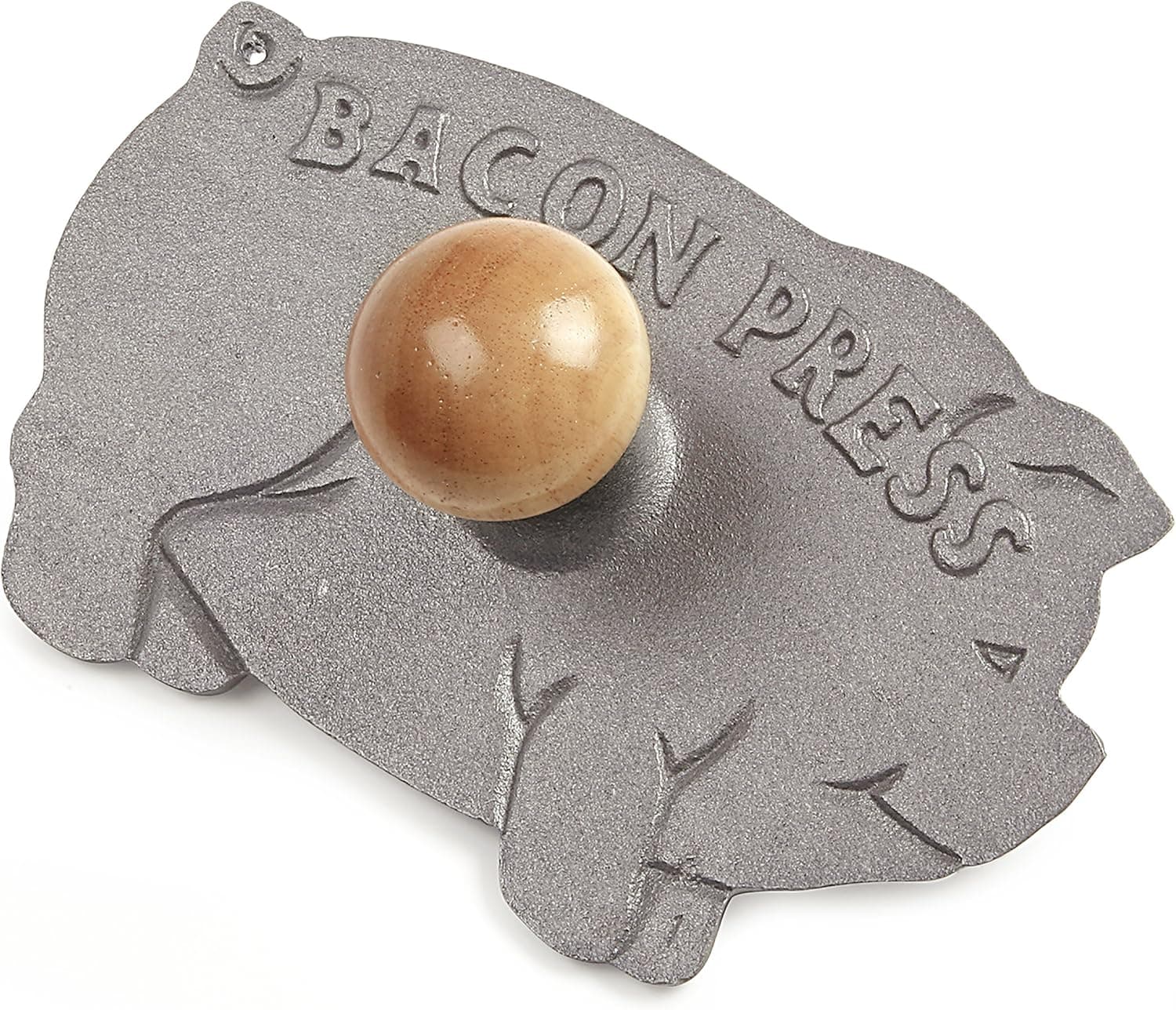
A pig-shaped cast iron press that flattens bacon perfectly. Functional and aggressively on-brand.
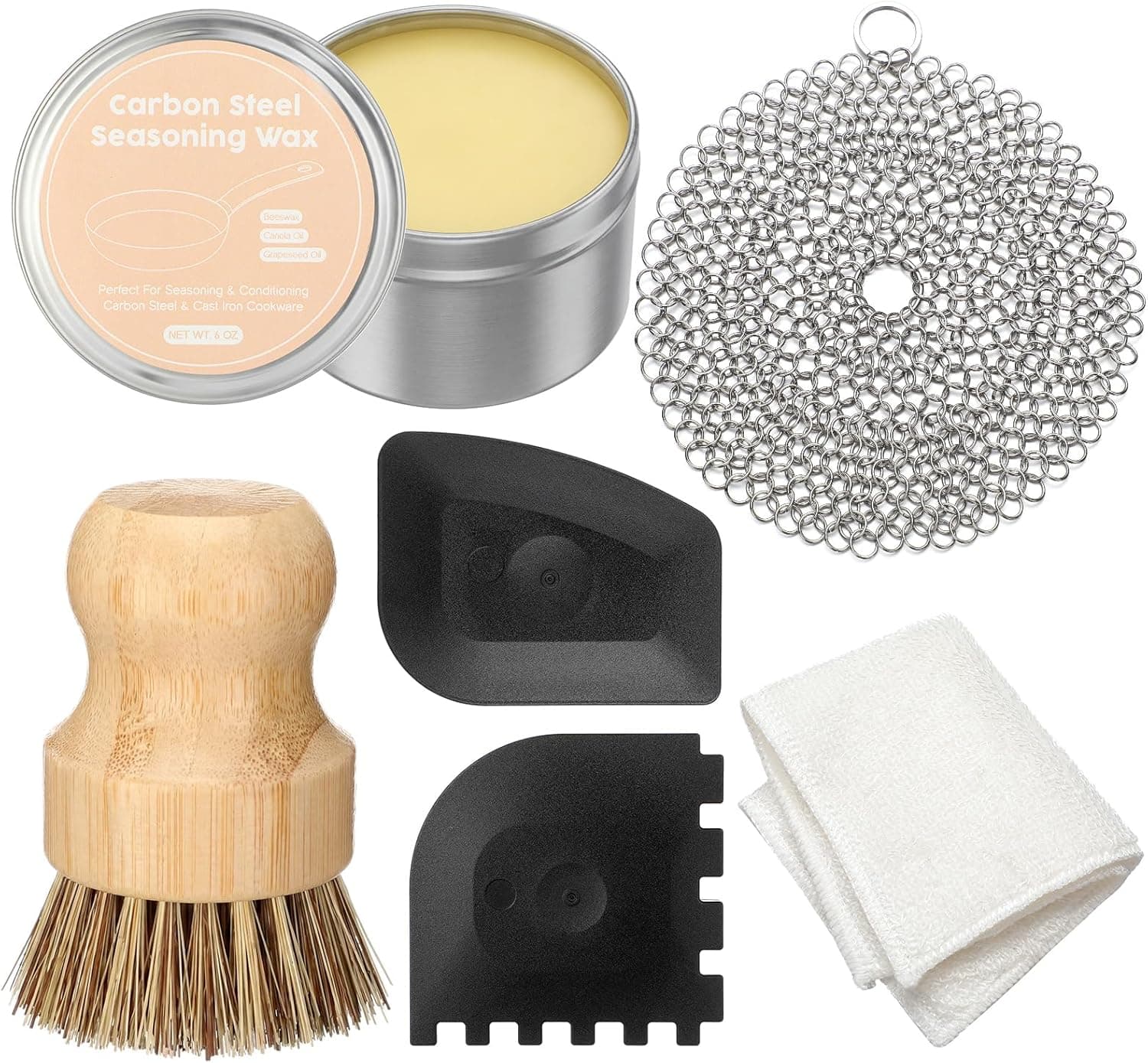
Scraper, stiff brush, and seasoning oil. Everything your cast iron needs to outlive you.
SpangledStuff may earn a commission if you buy through links on this site, at no extra cost to you. Product prices and availability may change — always verify on the retailer's page before purchasing. Learn more