
Trending
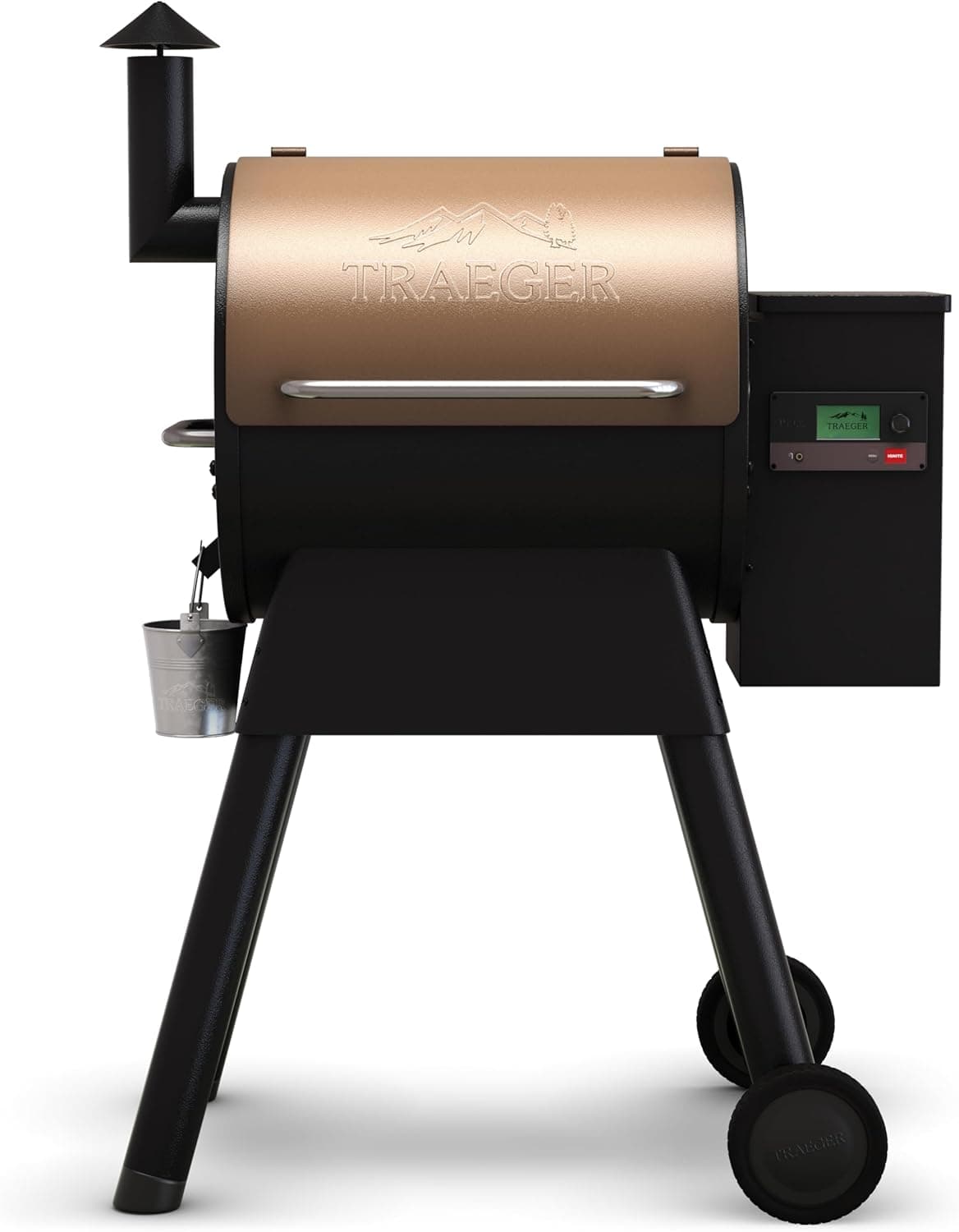
Traeger Pro 575 Wood Pellet Grill & Smoker
Set it, forget it, and take all the credit. The backyard smoker that changed the game.
$799.99Check It Out
May 1, 2026 · 6 min read
Most people start grilling by buying a grill. That's the right call. But the grill is only part of it — and it's not the most important part. The most important part is what you do with it. Here's what you actually need to start cooking good food outdoors from day one.
The biggest mistake beginners make is guessing internal temperature. Chicken at the right color can still be underdone at the center. A thick steak looks the same at 130°F and 145°F from the outside. An instant-read digital thermometer gives you a number in two seconds and costs $13. Buy this before anything else. Use it on every cook. It will improve your results immediately and prevent food safety problems.
For a beginner who wants to do both grilling and smoking, a pellet grill is the lowest-friction entry point. The Traeger Pro 575 sets a temperature, feeds pellets automatically, and holds that temperature through 8-hour brisket cooks without you standing over it. The result is real wood-smoked BBQ without years of learning fire management. If you're mainly doing quick cooks — burgers, chicken, hot dogs — a gas grill at a lower price point handles that well. If BBQ is the goal and you want to do it right from the start, the pellet grill is the closest thing to a shortcut that still produces a legitimate result.
A pellet grill cooks more like an oven than a broiler — great for low-and-slow but not the same sear you get on a screaming-hot skillet. For the reverse sear method that produces the best steaks: smoke to 115°F on the Traeger, then transfer to a screaming-hot Lodge cast iron skillet for 90 seconds per side. The crust you get from cast iron on a well-smoked steak is better than what most restaurants produce. The Lodge 12-inch skillet costs $35 and lasts forever.
Grilling is messy — oil splatter, sauce drips, meat juice you end up wiping on your pants. A quality canvas grilling apron has deep pockets that hold your thermometer, tongs, and a towel. A pitmaster who has everything organized at the grill makes fewer mistakes than one running back to the kitchen for equipment. The apron is also one of those gifts every serious griller eventually gets and immediately uses every cookout.
Smoke is where BBQ flavor actually comes from. For charcoal and gas grills, wood chips added to the heat source produce real smoke flavor. Apple is mild and sweet, hickory is the classic strong smoke for pork and beef. A 4-variety pack lets you experiment across proteins. For your rub, skip the grocery store generic. Killer Hogs The BBQ Rub is what Malcom Reed — one of the most respected names in competitive BBQ — uses on his competition cooks. $13 for 16 ounces, works on ribs, pork butt, brisket, and chicken.
Set it, forget it, and take all the credit. The backyard smoker that changed the game.
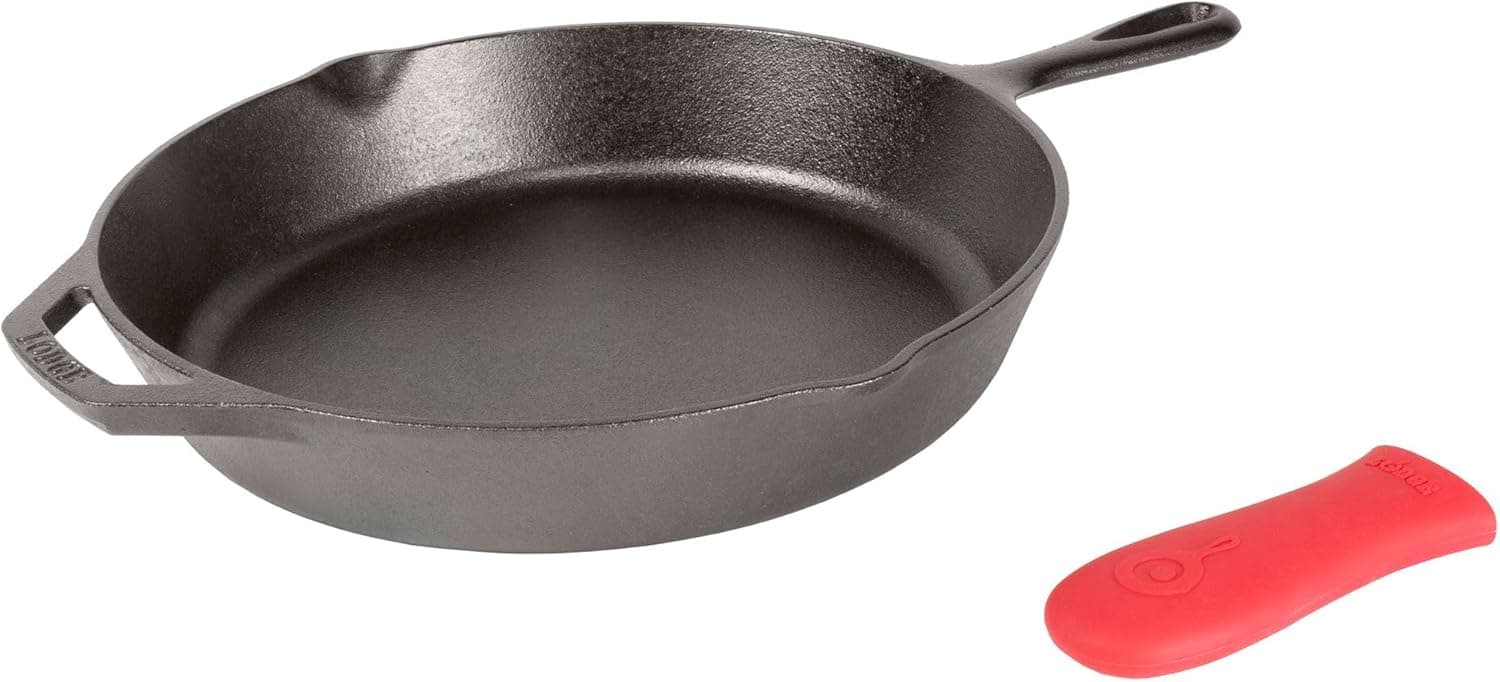
Made in Tennessee since 1896. The skillet that outlives everything else in the kitchen.
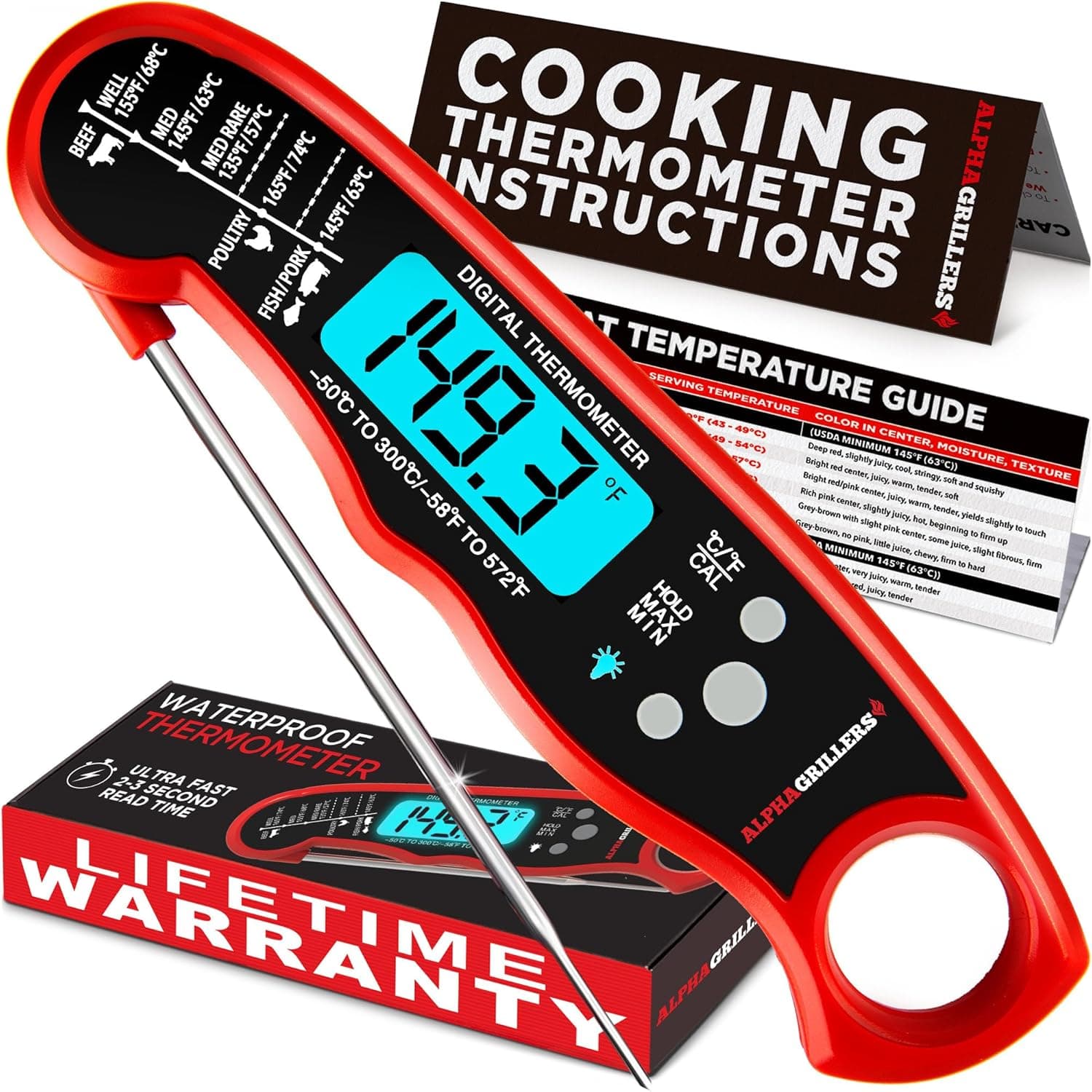
Reads in 2 seconds flat. Because real grillers don't guess.
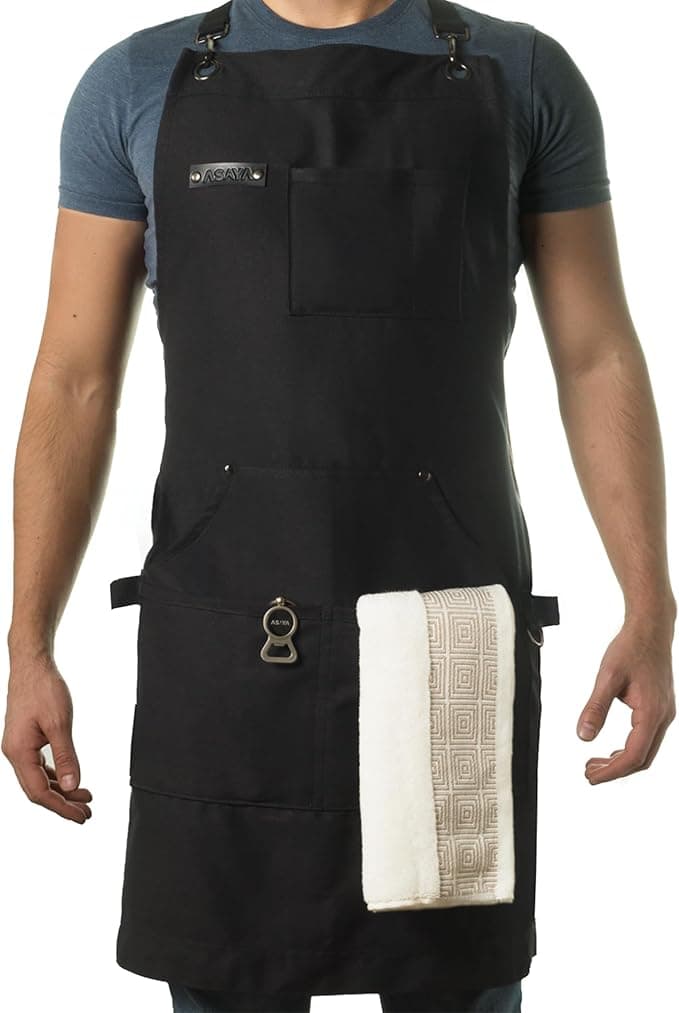
For the dad who treats grilling like a constitutional right. Heavy-duty canvas, pockets for everything.
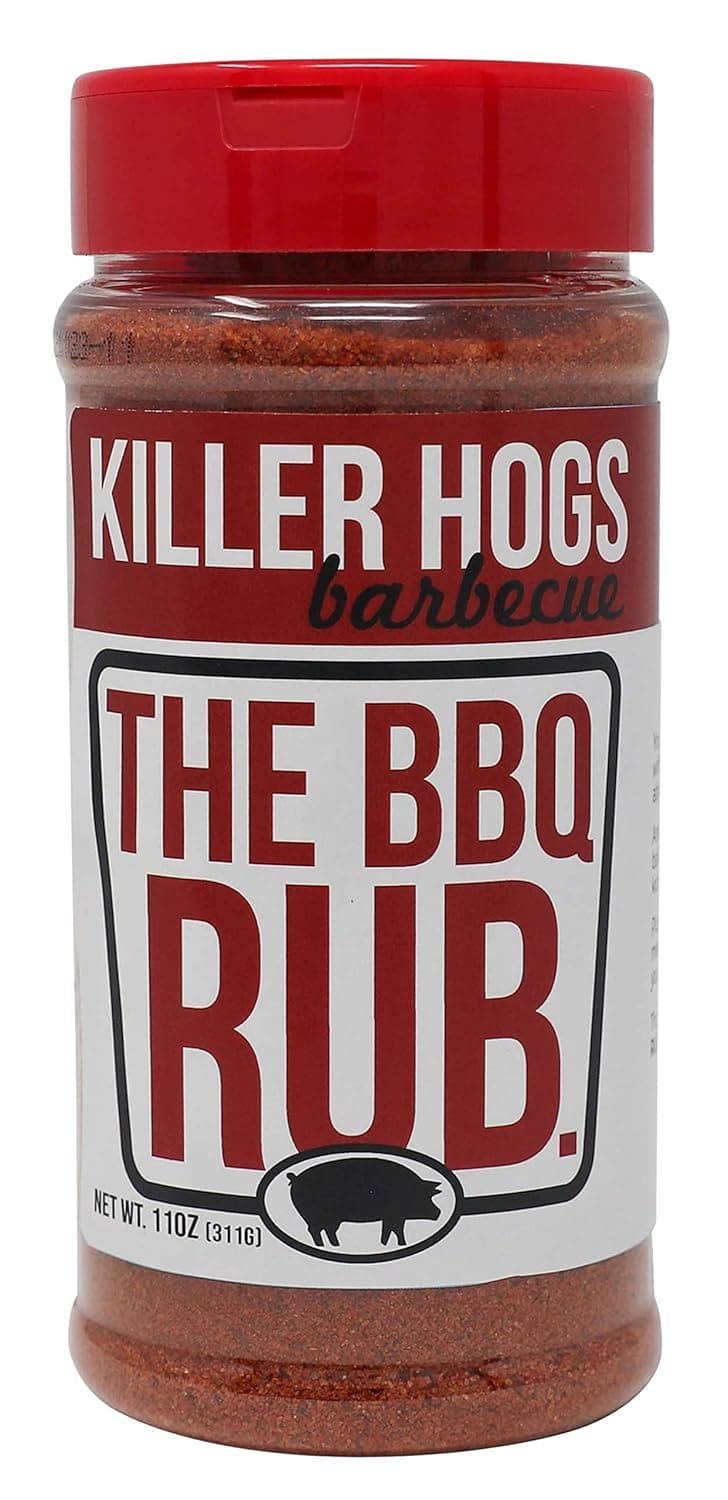
The rub Malcom Reed uses. Competition-tested on ribs, chicken, pork.
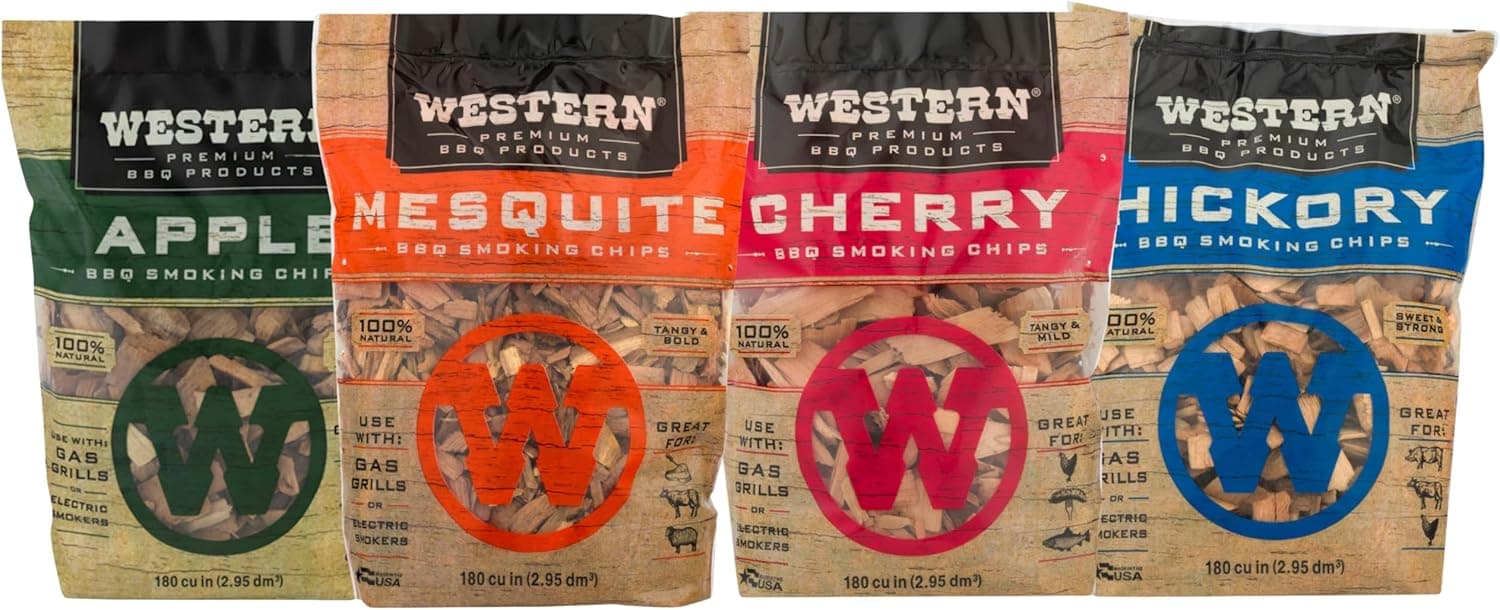
Four woods, four flavor profiles. Apple, mesquite, hickory, cherry.
SpangledStuff may earn a commission if you buy through links on this site, at no extra cost to you. Product prices and availability may change — always verify on the retailer's page before purchasing. Learn more