
Trending
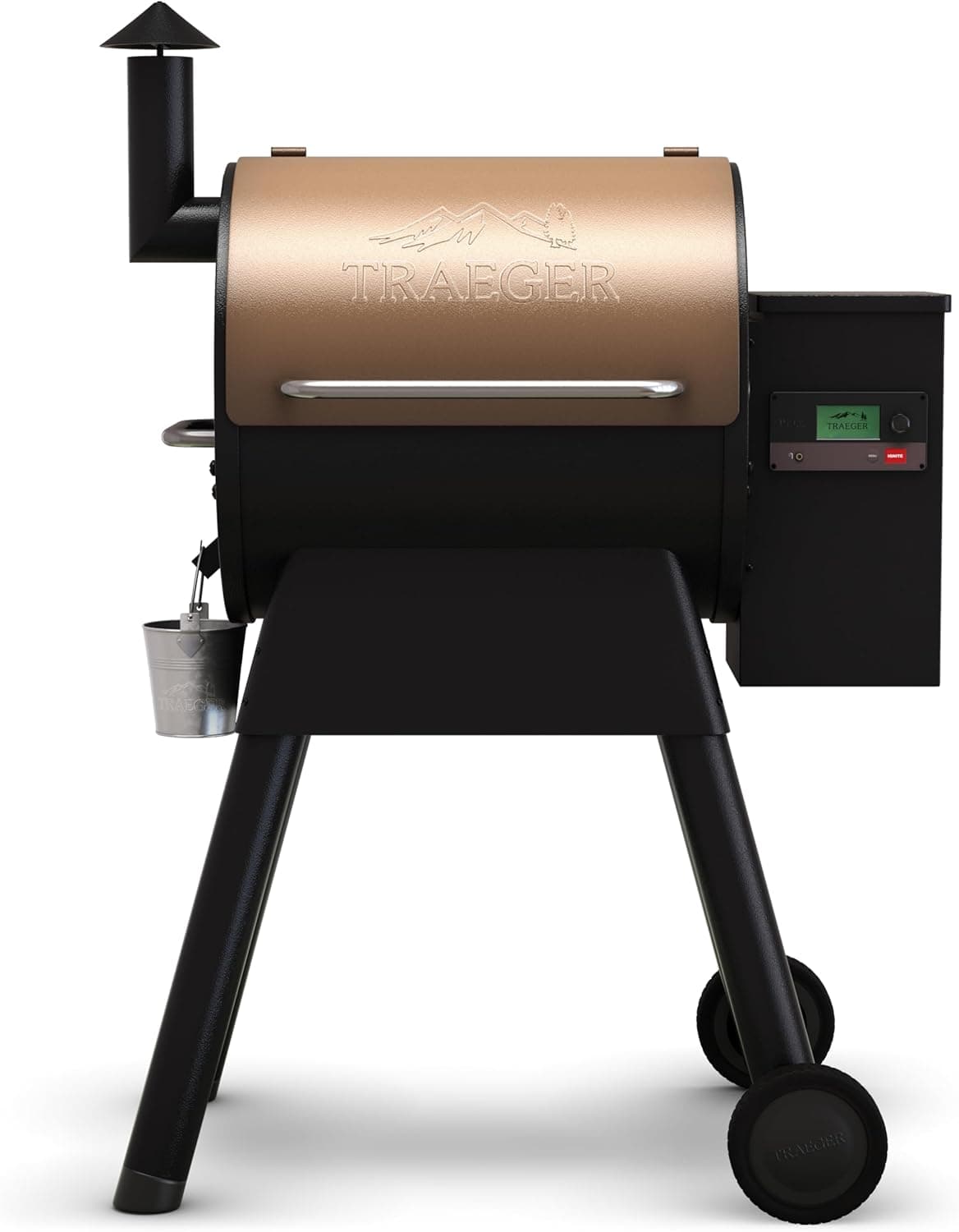
Traeger Pro 575 Wood Pellet Grill & Smoker
Set it, forget it, and take all the credit. The backyard smoker that changed the game.
$799.99Check It Out
May 1, 2026 · 6 min read
Everyone has an opinion on this and most of them are wrong in at least one direction. Charcoal guys say gas has no soul. Gas guys say charcoal is too much work. Pellet guys say both have a point and then go check their brisket on an app. Here's what's actually true about each option, without the tribalism.
Charcoal burns hotter than gas and produces a distinct flavor that comes from smoke and drippings hitting hot coals — you can't fully replicate it with other fuel types. It's the right choice for anyone who wants to learn fire management, anyone who prioritizes sear and char, and cooks where the process is part of the point. The downside is time: 20–30 minutes to get coals right before you start cooking, and temperature varies as the coals burn down. A bag of quality hardwood lump charcoal and a basic kettle grill is still one of the most satisfying ways to cook outdoors.
Gas grills heat up in 10 minutes, hold a consistent temperature with a dial adjustment, and let you cook without spending energy managing fire. For weeknight burgers and chicken that you want done in 20 minutes, gas is hard to beat on convenience. The flavor is good — just not the same as charcoal. Gas grills are the easiest for beginners, the easiest to clean, and work for the widest range of foods. If you grill three or more times a week and want to minimize the overhead, gas is the practical call.
Pellet grills burn compressed wood pellets to produce both heat and real wood smoke. You set a target temperature, the auger feeds pellets automatically, and the grill holds that temp — including during 12-hour cooks. The result is genuine wood-smoked flavor without the constant attention a traditional offset smoker requires. The trade-off is price and the ongoing cost of pellets. For anyone who wants real BBQ — brisket, ribs, pulled pork — and doesn't want to spend years learning offset fire management, a pellet grill is the closest thing to a shortcut that still produces a legitimate result.
Flat top griddles like the Blackstone are a fourth category that doesn't fit neatly into the grill conversation. They cook at high heat on a steel surface — smash burgers, hibachi, stir fry, breakfast, quesadillas. They produce no grill marks and no smoke flavor, but the versatility is real: the same surface that does a perfect smash burger on Saturday does a full breakfast spread on Sunday. A lot of serious outdoor cooks end up with a grill for smoking and a griddle for everything else.
New to outdoor cooking: gas. Lowest learning curve, consistent results, and you'll use it more than any other option. Already comfortable on a gas grill: charcoal if you want more flavor and enjoy the process, or a pellet grill if you want to get into serious BBQ. Flat top griddle: add it when you want to expand what you cook outdoors, not replace what you have. If you could only have one and cook for a family most weekends — Blackstone for pure versatility, Traeger if BBQ specifically is the goal.
Set it, forget it, and take all the credit. The backyard smoker that changed the game.

The 28-inch Blackstone. Hood included. Smash burgers, hibachi, breakfast outside.
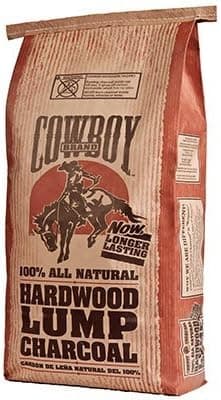
Real hardwood lump. Burns hotter, cleaner, and longer than briquettes. No shortcuts.
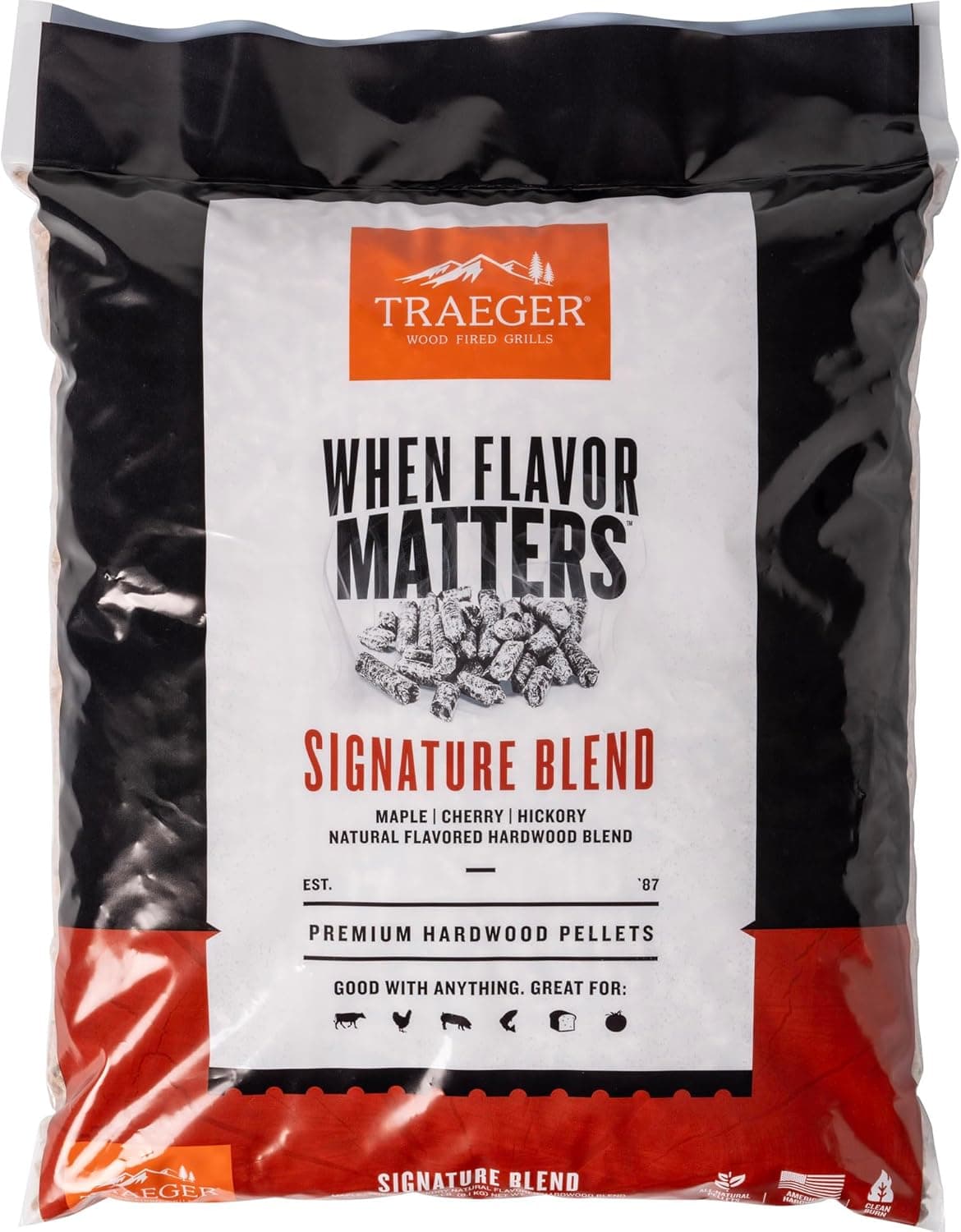
Hickory, maple, and cherry. The blend that makes everything off your smoker taste like a trophy.
SpangledStuff may earn a commission if you buy through links on this site, at no extra cost to you. Product prices and availability may change — always verify on the retailer's page before purchasing. Learn more