
Made in USA
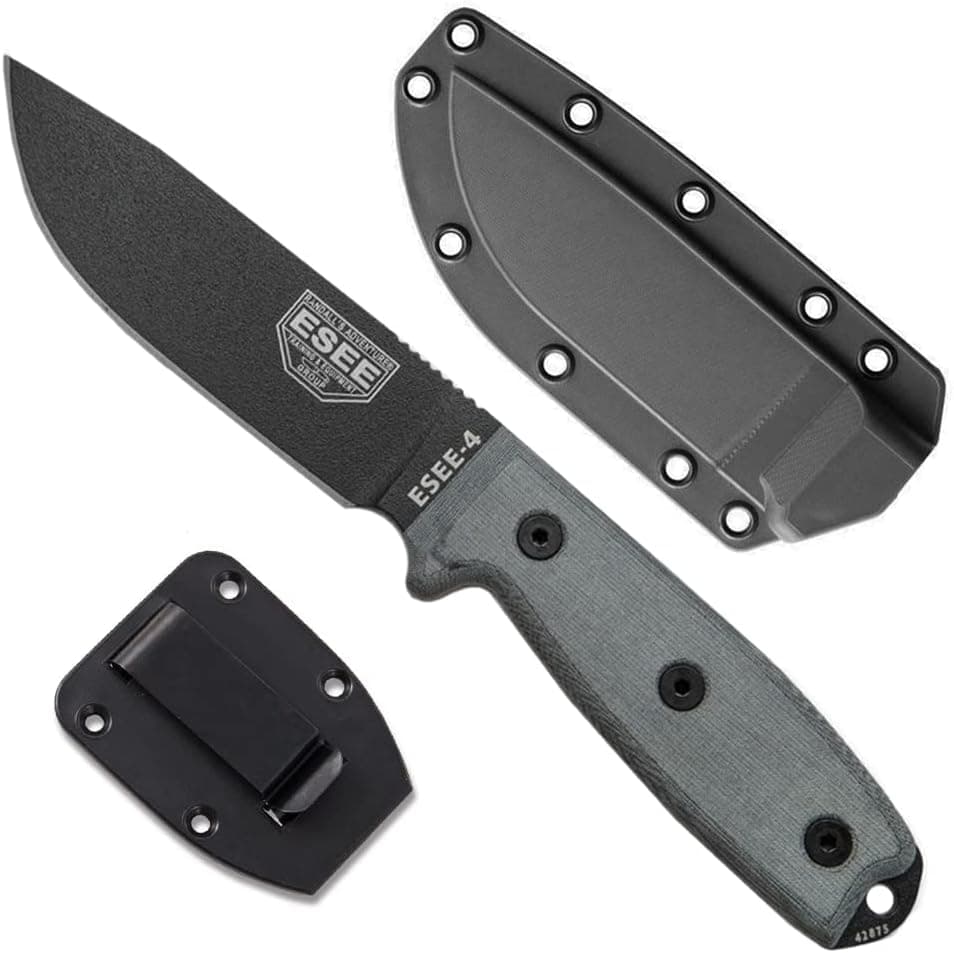
ESEE 4 Fixed-Blade Survival Knife
Forged in Gallant, Alabama. The survival knife that US military and survival instructors actually use.
$109.99Check It Out
May 1, 2026 · 6 min read
Folding knives are convenient. Fixed blades are stronger. When you need a knife for serious field work — field dressing a deer, building a shelter, batoning wood — a fixed blade with a full tang is the right tool. Here's how to pick one that won't let you down.
A folding knife has a pivot point and a lock — both potential failure points under heavy use. A fixed blade has none of that. It's one piece of steel from tip to butt, which means it handles batoning, prying, and hard cutting that would destroy most folders. For hunting, camping, and survival situations, the strength advantage outweighs the inconvenience of sheath carry.
1095 high-carbon steel — used in the ESEE 4 — is the most popular choice for survival and outdoor knives. It holds an edge well, sharpens easily on a stone, and takes a good patina over time. Downside: it will rust if you don't dry and oil it after use. Stainless like CPM-S30V (Benchmade Hidden Canyon) won't rust and holds an edge longer but is harder to sharpen in the field with basic tools. German 4116 stainless (Cold Steel Finn Bear) is a budget-friendly mid-point — decent corrosion resistance, easy to sharpen, good enough for most camp uses. For wet conditions and survival kits: stainless. For hunting and maintained use: carbon is hard to beat.
Full tang means the steel runs the full length of the handle, with scales attached on both sides. It's the strongest construction available — you can baton a full-tang knife through hardwood and the handle won't separate from the blade. Partial tang runs a narrower piece of steel into the handle. Fine for light use. Not what you want for hard camp work. Every reputable survival and hunting knife worth carrying is full tang. Don't buy a survival knife that isn't.
Field dressing: 3.5–4.5 inches is the sweet spot. Long enough to work efficiently, short enough to control. A drop-point blade handles field dressing cleanly without punching through intestines. The Benchmade Hidden Canyon Hunter's drop-point is specifically designed for this work. Survival and general camp use: 4–5 inches gives more cutting power for wood work, food prep, and hard tasks. Clip-point blades are sharper at the tip for detail work. Spear-point blades are symmetrical and strong but less common.
Under $25: budget camp knives like the Cold Steel Finn Bear at $15 are usable tools — sharp out of the box, fine for light use. $50–$120: the working tier. ESEE knives at $110 are used by military survival instructors and come with a no-questions-asked lifetime warranty. $200+: premium hunting knives like the Benchmade Hidden Canyon at $275. These are for hunters who want the best steel and fit for field dressing and will carry the knife for decades.
Forged in Gallant, Alabama. The survival knife that US military and survival instructors actually use.
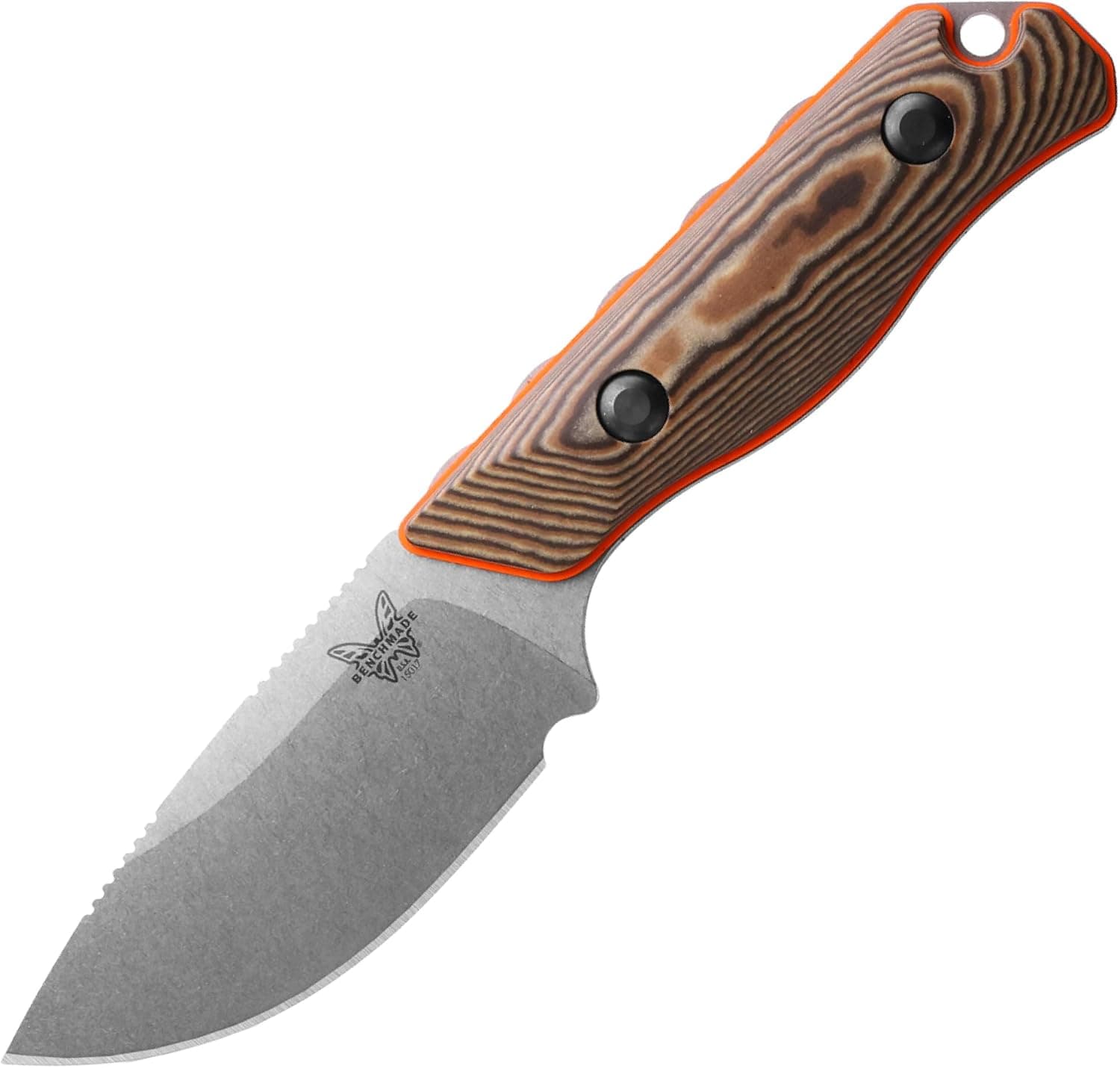
Made in Oregon City, Oregon. A fixed blade built for hunters who take their gear seriously.
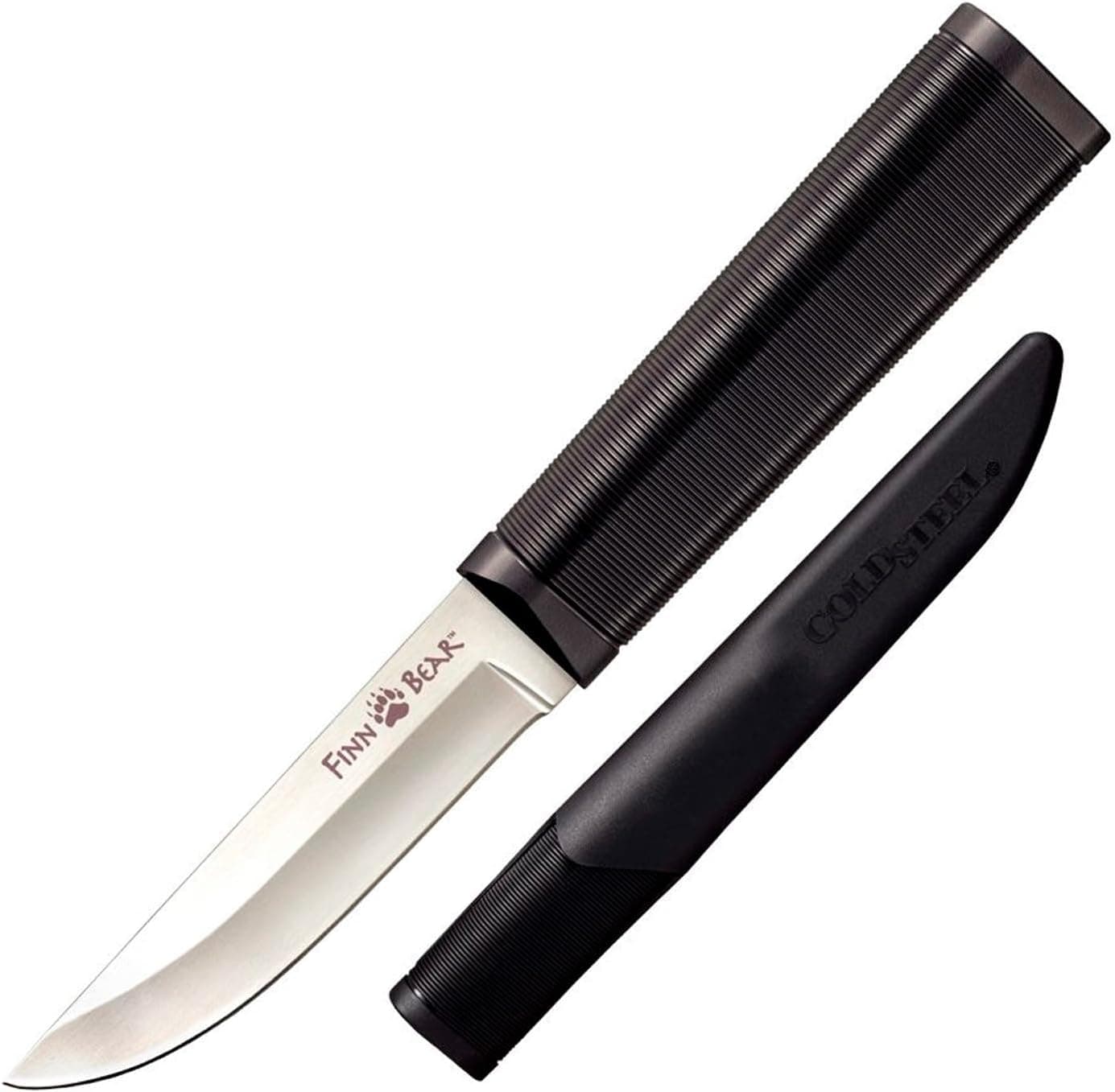
A no-nonsense camp knife for under $15. Sharp out of the box, built to work.
SpangledStuff may earn a commission if you buy through links on this site, at no extra cost to you. Product prices and availability may change — always verify on the retailer's page before purchasing. Learn more